Plastic
and Tire Surface Care
By Michael Mankarious
© 2002 einszett® North America
Featured Products:
einszett Vinyl-Rubber Care and
Protectant,
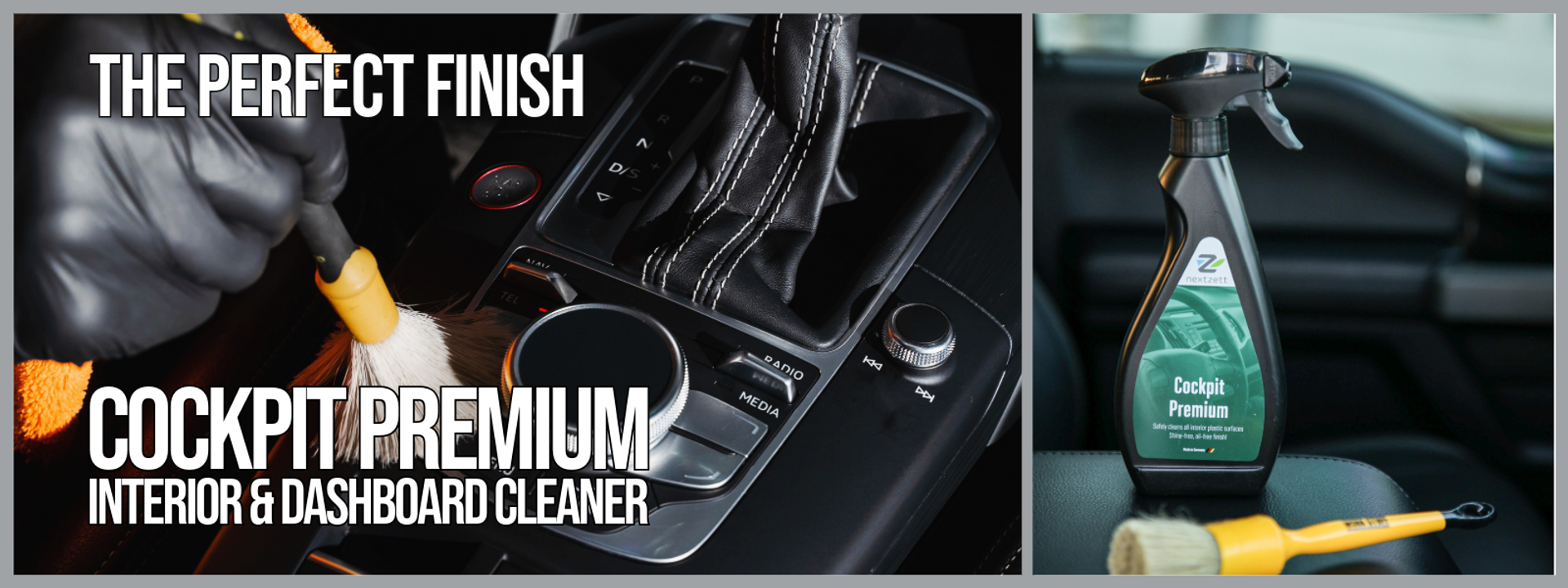
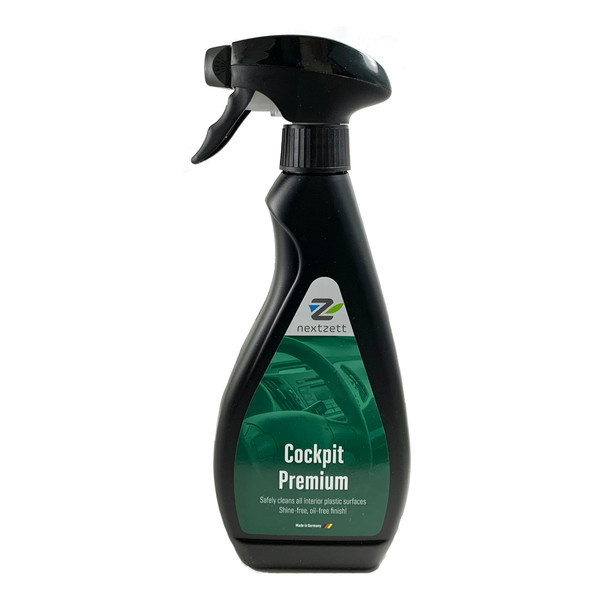
einszett Cockpit Premium
In automotive surface care, there are three main surface types. One
of them is paint. We learned about paint care in the
"Keep It Clean"
articles "The Benefits of Car Polish" and "Car
Wax: Protecting Your Car's Paint Finish". The
other surfaces, and the ones we will address in this article, are
those made of plastic and rubber.
Go to any auto parts store and you’ll find a large selection of
products made for the dashboard, exterior plastic trim and tires. Unfortunately, many of these products are
made to
enhance the appearance of these components rather than maintain and
protect them.
High Shine Equals Short Life
While the trend for high shine dressings is on the decline due to both a
change in trends and new environmental regulations concerning how
plastic and rubber treatments are formulated, there are still products on the market that offer
the high shine look without doing much other than that.
To achieve this high shine look, car care companies formulate their
dressings with
petroleum-based ingredients that have the consistency of baby oil. They
offer a high shine finish but are greasy and goopy. They also happen
to be dirt and dust magnets.
But worst of all, they can harm the surfaces they are applied on.
Everyone knows the infamous cracking dashboard story. If you're not
familiar with it, the story is about a well known dash and tire dressing product that
users have blamed for the cracking of their dashboards after years of
use. Unfortunately, this story is not a myth. Not only was the issue
prevalent and the subject of news stories, but the problem also existed with tires cracking, which
of course is far more dangerous. Tire installers who inspect a
failed tire will glide their finger across the surface of the failed
tire to see if any greasy residue is picked up alerting them to the
use of a petroleum-based tire dressing.
While the company that produced this product and other companies
that produced similar products have since reformulated their
dressings and therefore the issue is not as prevalent, the concern
has managed to linger in the car world and still rouses concern with customers.
Let's discuss why this issue happened in the first place.
Not too long ago, you'd be hard pressed to find a tire dressing or
dashboard treatment that was water-based like
einszett Vinyl-Rubber Care since most
products were petroleum-based. They
offered a high glare shine that provided the 'wet look' that
customers wanted on their dashboard and tires. And here's
where the problem lies...
When applied on plastic or rubber surfaces, petroleum breaks down the flex
agents in
the material
weakening them over time and reducing their ability to flex. Simply
put, it dries out the surface allowing it to become brittle and prone to cracking.
For years and even until today, many blamed the issue on silicone
used in the products to increase the shine and water-resistance.
But, silicone was never the issue. Silicone is a harmless
raw material that adds shine, weather resistance and when
used in polishes and waxes, it makes the product easier to apply and
buff off.
Silicone became the scapegoat while petroleum continued to cause
harm. As the issue
became pervasive and customers avoided tire dressings and dashboard
treatments made from petroleum, the issue became less of an issue.
They soon sought water-based treatments. The irony is, water-based
products like einszett Vinyl-Rubber Care actually condition and
treat the surface (not just dress it up) and last longer than their petroleum-based
counterparts. However, the transition was slow going in North
America because water-based products don't provide a high shine
finish like
the petroleum-based products. In Europe, the wet look never
became
trendy like it did in North America. Instead, Europeans opted for a
low-shine, natural looking finish. It was only in the early 2000s when
North Americans began to take on this trend. Good timing too because
the Environmental Protection Agency (EPA) began restricting
VOC's
(Volatile Organic Compounds) in consumer products. Classified as a VOC, petroleum
distillates got the axe and as a result, many companies switched
their products from petroleum-based to water-based. Still, many
products out their continue to use petroleum.
Plastic and Vinyl
Car makers created car components made of plastic to withstand
stresses of the surrounding environment such as extreme heat and
cold. For example, the dashboard was designed to withstand
high temperatures when sitting in direct sunlight in the summer.
In order to accomplish this, manufacturers incorporate flex agents
into the components. These flex agents are usually non-organic oils
that allow the plastic or the vinyl to flex, therefore, preventing
drying and cracking.
However, this does not mean that plastic and vinyl doesn’t have to
be treated. Over time, components can dry and become brittle even if
a petroleum-based dressing hasn’t been used to treat them. Temperature and UV rays are enough to dry the surfaces and shorten
their life. Often you will see the color of unpainted plastic exterior trim white instead
of black.
Treating Exterior Plastic Surfaces
To restore the plastic to its original condition, apply einszett
Vinyl-Rubber Care on a regular basis until the
original color is restored.
This generally takes a few applications. Over time, you will need to
apply less often as Vinyl-Rubber Care restores the plastic to its
original condition and seals the finish.
What sets Vinyl-Rubber Care apart from other water-based brands is
its patented weather-resistant finish that allows the UV blockers
and conditioners to remain in the surface instead of washing away
during a car wash or rain storm. It also doesn’t attract road grime and
dust. Since it can withstand the elements longer, it’s able to
protect the surface
longer. As you use Vinyl-Rubber Care, you will need to use the
product less frequently since it penetrates deep into the surface
treating the components from the inside instead of merely dressing
them.
Treating Interior Plastic Surfaces
Today's interior surfaces benefit from the latest in automotive glass that filters
out the majority of harmful UV (Ultra Violet) rays. UV cause surfaces to
age quickly and to lose their color. While UV rays have been
significantly reduced, the interior is still prone to fading due to
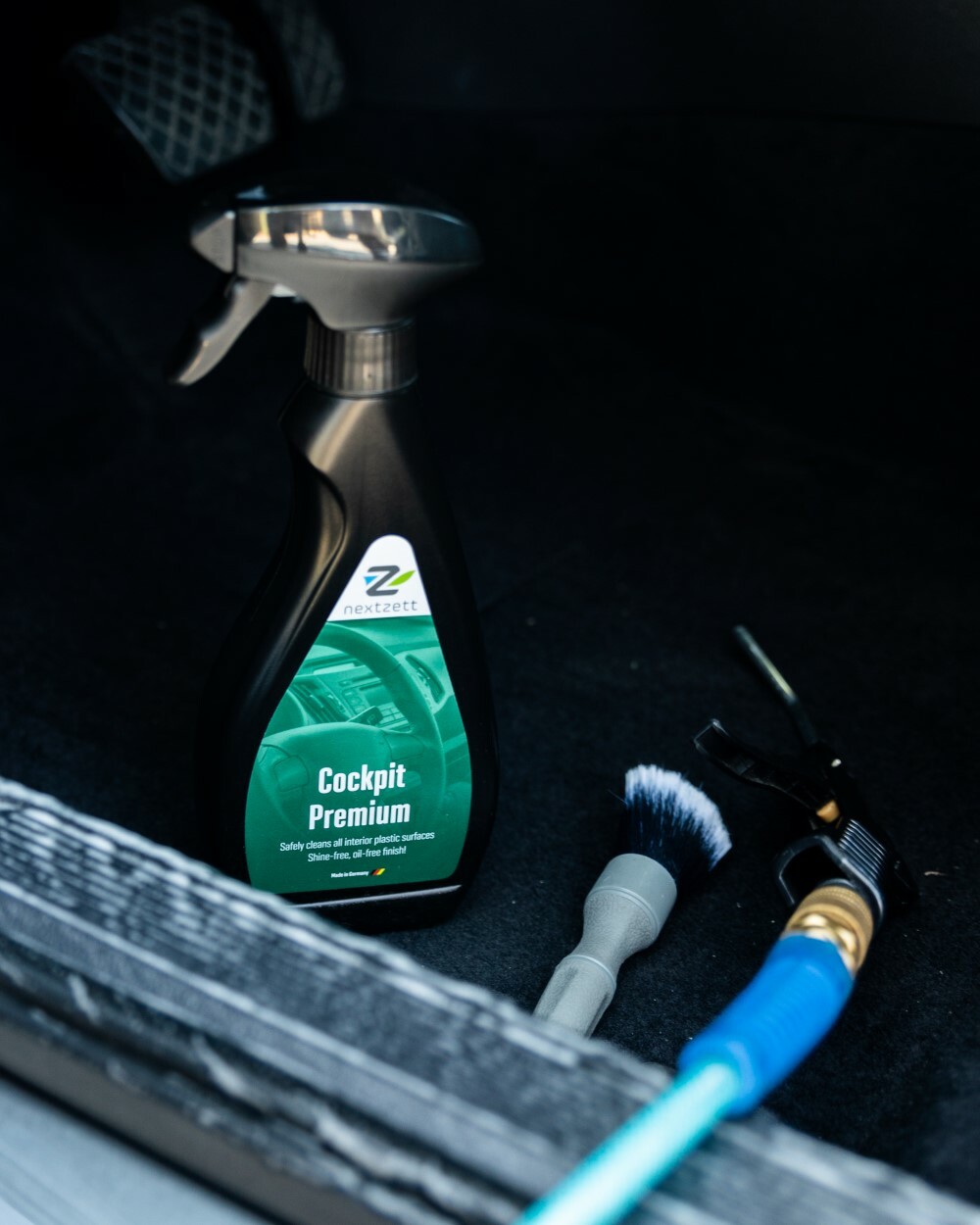
heat. einszett created
Cockpit Premium specifically to address all
interior surfaces. It cleans all clear and colored plastic interior
surfaces such as the dashboard, arm rests, audio/navigation screens,
shift knob, steering wheel, gauge cluster and pedals while
protecting them from the fading effect of heat. It goes on easily
and leaves a no-shine finish.
Convertible and Boat Interiors
When treating open air interiors such as convertibles and boats that
are exposed to UV, we suggest you occasionally apply Vinyl-Rubber
Care which contains strong UV blockers. Apply only on dashboard and
armrests and avoid spraying on seats and control surfaces such as
the steering wheel, shift knob and pedals due to the
slippery characteristic of silicone in the product. While silicone
makes the surface water-resistant, which is ideal for carwashes and
rain, it makes the surface slippery and therefore potentially
dangerous when applied on control surfaces.
Treating Tires
Vinyl-Rubber Care treats tires in much the same way as plastic. Like plastic, rubber is sensitive to
petroleum-based dressings. They can dry and become brittle.
Rubber in its natural form is susceptible to the harsh effects of
Ultraviolet (UV) light and
ozone. These two elements cause
rubber to rot. In order to combat this
natural effect, tire manufacturers add
anti-degradants
in the rubber. Petroleum-based dressings break down these
'anti-degradants' allowing the tire to be exposed to the oxidizing
effects of UV and ozone.
This is why it's important to use a water-based treatment that will
not cause harm to the anti-degradants but aid it by applying UV
blockers.
Use einszett Vinyl-Rubber Care and Protectant and get these
additional benefits:
-
water-based formula will not stain, drip or splatter during
application or driving.
-
dust-resistant and water-resistant for a long-lasting finish.
-
leaves a silk matte finish that looks more natural instead of
greasy.
Summary
When detailing a car, you are able to make a better choice
as to the car care products you choose when you have a better
understanding of the surface you're treating. When you know the
surface, you know what can benefit it or damage it. Plastic and
rubber are the next most prevalent surface to care for on your car.
Treating it properly will serve your car better and keep it looking
exceptional for years. |